Description
Seba is the main town and administrative center of Sabu Island, located within East Nusa Tenggara. Though modest in size, Seba plays a vital role as the island’s gateway for visitors, traders, and local communities.
Sabu Island is known for its dry savanna landscapes, strong coastal winds, traditional weaving culture, and preserved ancestral traditions. Seba serves as the starting point for exploring these unique features. The atmosphere is quiet and authentic, offering travelers a chance to experience island life far from mass tourism.
With simple infrastructure, friendly locals, and strong cultural identity, Seba offers an honest and grounded travel experience rooted in tradition and community.
What to See
Traditional Villages (Kampung Adat)
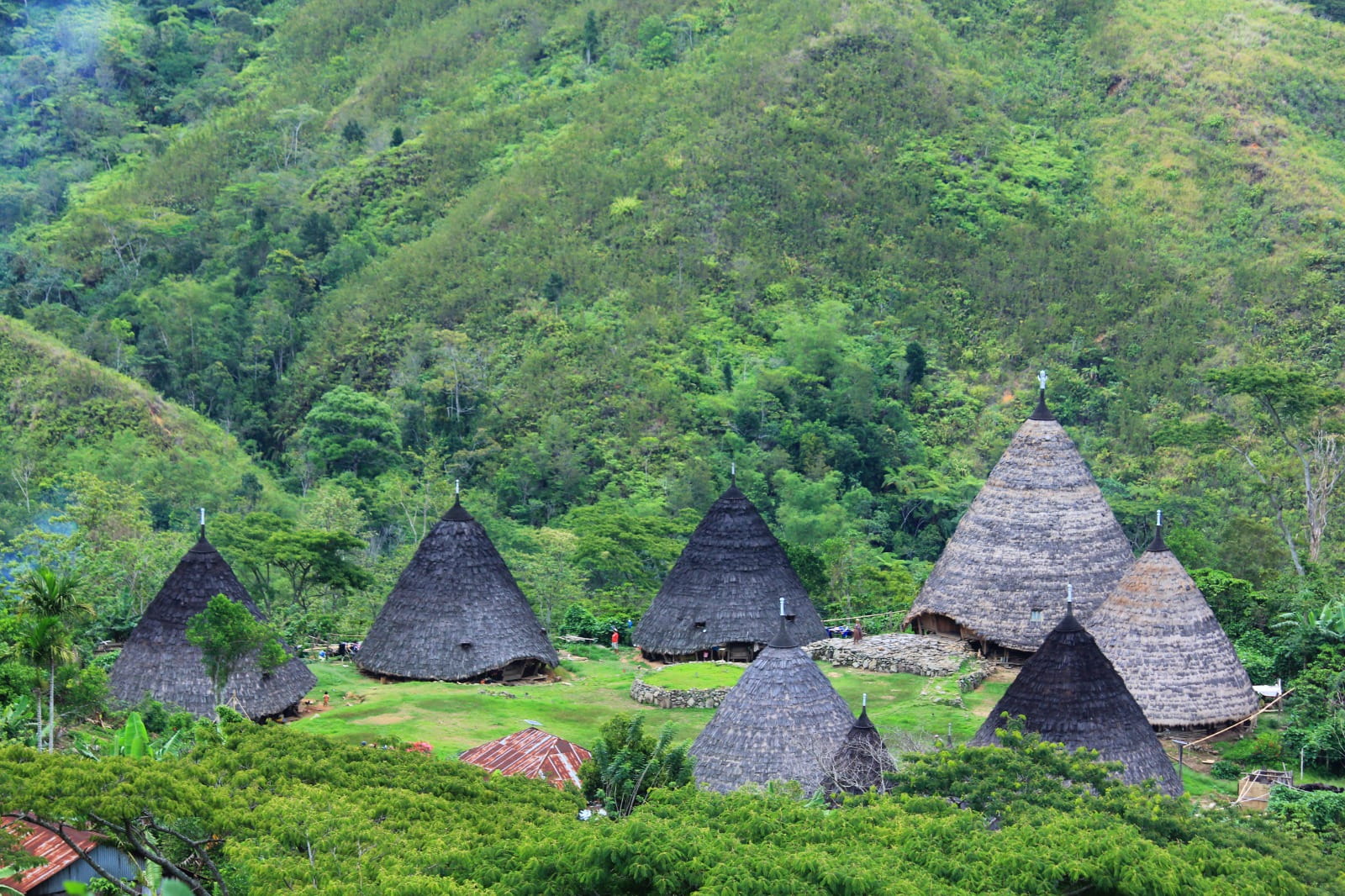
Near Seba, visitors can explore customary villages featuring traditional houses made from natural materials, stone ancestral graves, and sacred ritual sites. These villages reflect Sabu’s strong ancestral heritage and living traditions.
Savanna Landscapes
The rolling dry hills surrounding Seba create dramatic scenery, especially during the dry season when golden grass dominates the horizon. The landscape offers a unique contrast to the greener islands of Flores or Timor.
Coastal Views and Beaches
Sabu’s coastline features quiet, uncrowded beaches with strong waves and rugged cliffs. These beaches remain largely untouched, ideal for peaceful walks and photography.
Local Markets
Seba’s traditional market is the center of daily life, where visitors can observe local trade, fresh produce, fish, and handmade textiles.
What to Do
Cultural Exploration
Engage with local elders and community leaders to learn about Sabu’s customs, rituals, and social structure. Respectful interaction enhances the experience and supports cultural preservation.
Textile Appreciation
Visit local weaving communities to observe the process of creating traditional Sabu ikat textiles. The weaving techniques are passed down through generations and carry symbolic meaning.
Sunset Viewing
The open landscapes and coastline around Seba offer beautiful sunset views, especially during the dry season when the sky appears vast and clear.
Village Walks
Take guided walks through surrounding villages to experience daily life, observe traditional architecture, and connect with local residents.
Photography and Landscape Observation
The combination of savanna hills, coastal cliffs, and traditional settlements provides striking visual compositions for photography enthusiasts.
What to Buy
Sabu Ikat Weaving
Traditional woven textiles are the most valuable and meaningful souvenir from Seba. Each motif reflects cultural stories, identity, and ancestral symbolism.
Handmade Crafts
Simple handicrafts made from natural materials such as wood and shells are available in local markets.
Local Food Products
Dried fish, local snacks, and agricultural products can be purchased as small cultural mementos.
Cultural Support Contributions
Visitors may also choose to support community initiatives or purchase directly from artisans, helping sustain local livelihoods.
Why Visit Seba?
Seba is not a luxury tourism destination — it is a place of authenticity, resilience, and cultural depth. Travelers who visit Seba are often those seeking meaningful interaction, traditional heritage, and landscapes untouched by commercial tourism.
As the heart of Sabu Island, Seba offers an entry point into one of East Nusa Tenggara’s most preserved and distinctive island cultures.